

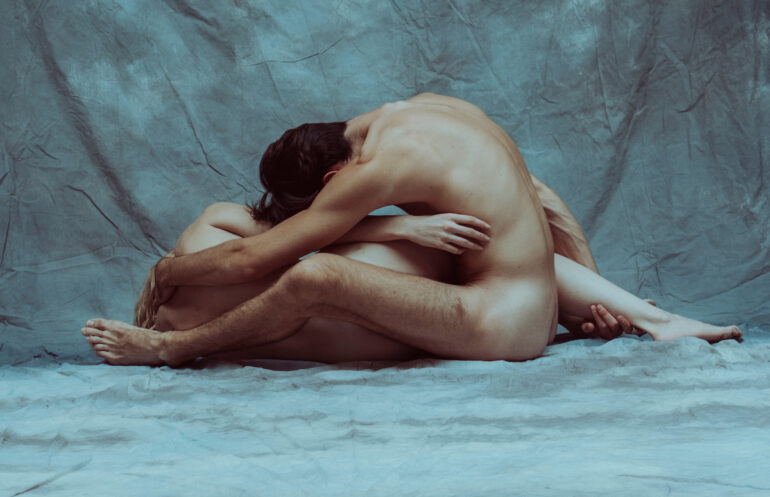

Six years of photographs, two bodies, and everything that happens in between.
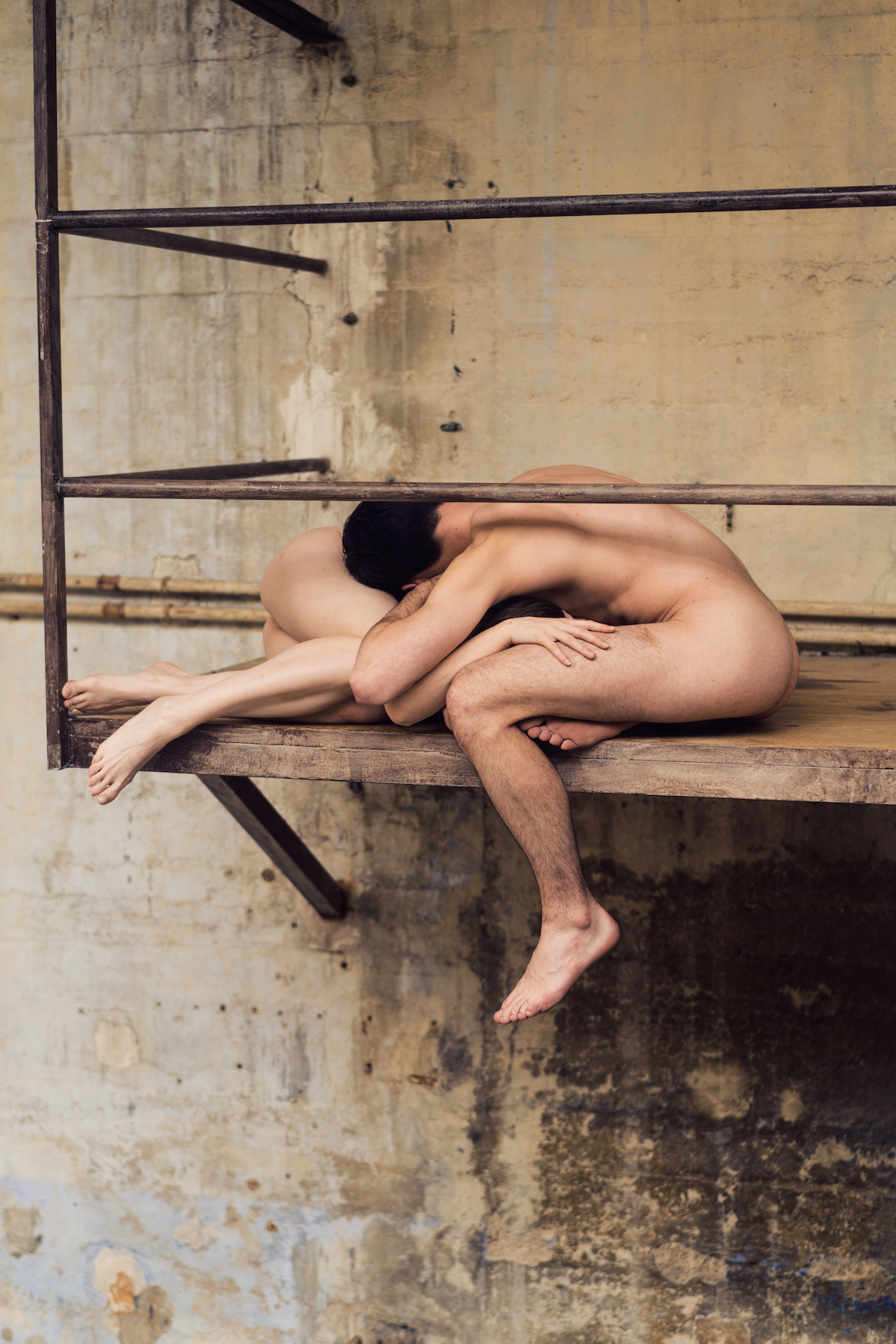
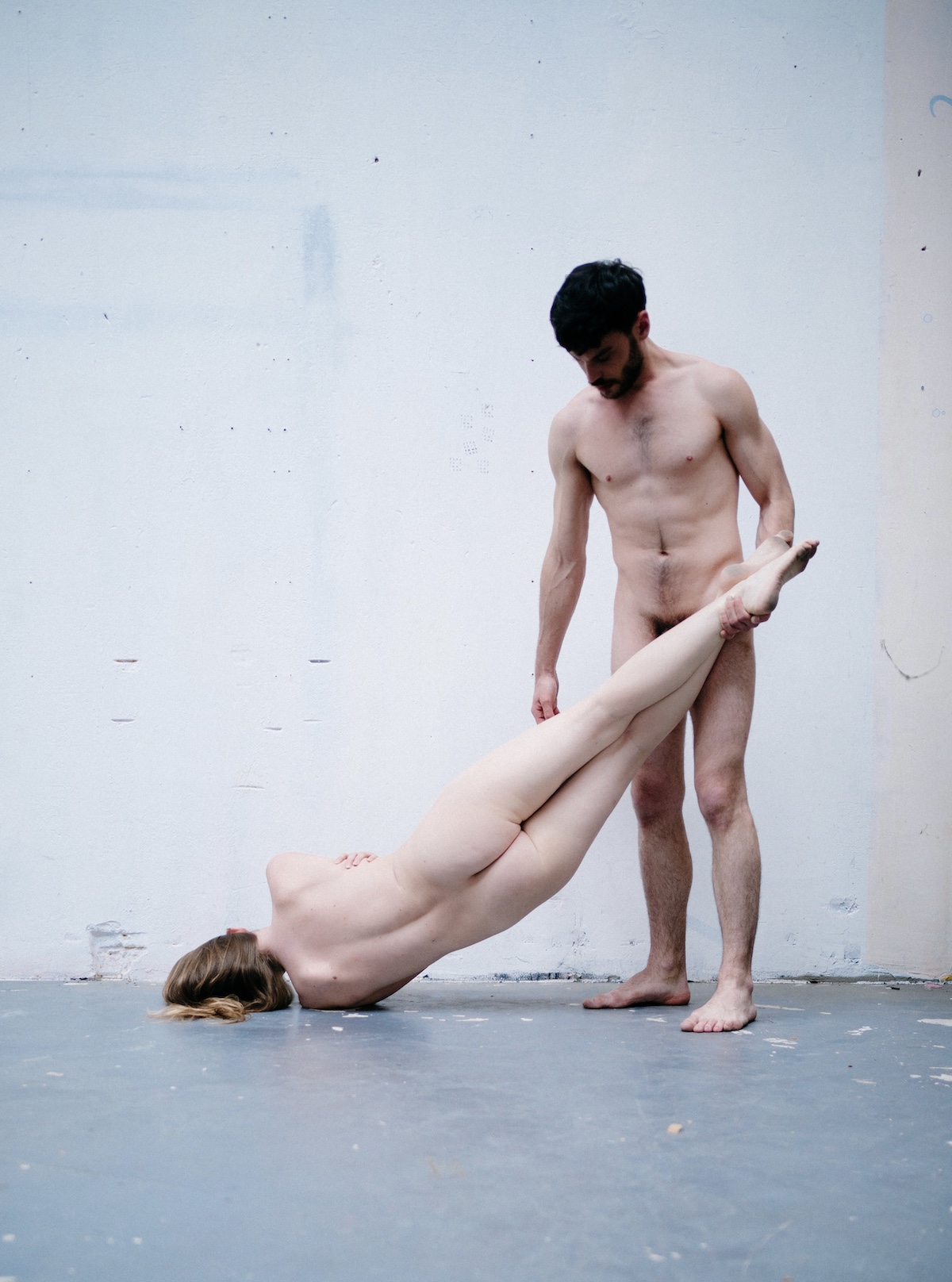
In Corps Raccords, Paris-based photographer Sarah Salazar explores the intimate language of two bodies and the many things they can express. Over six years, she has photographed Tabatha and Romain, building a visual story shaped by trust, tenderness, desire and vulnerability.
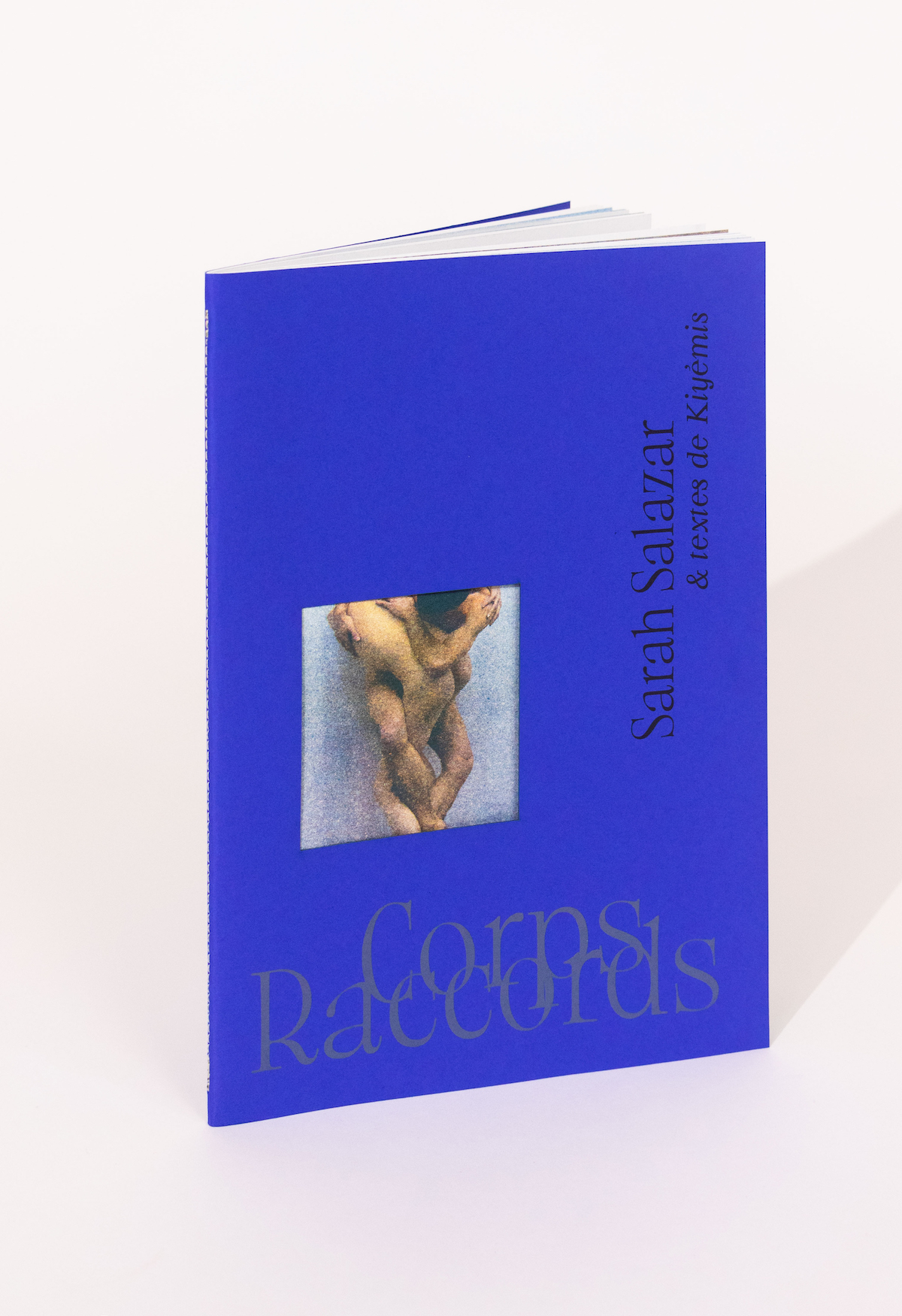
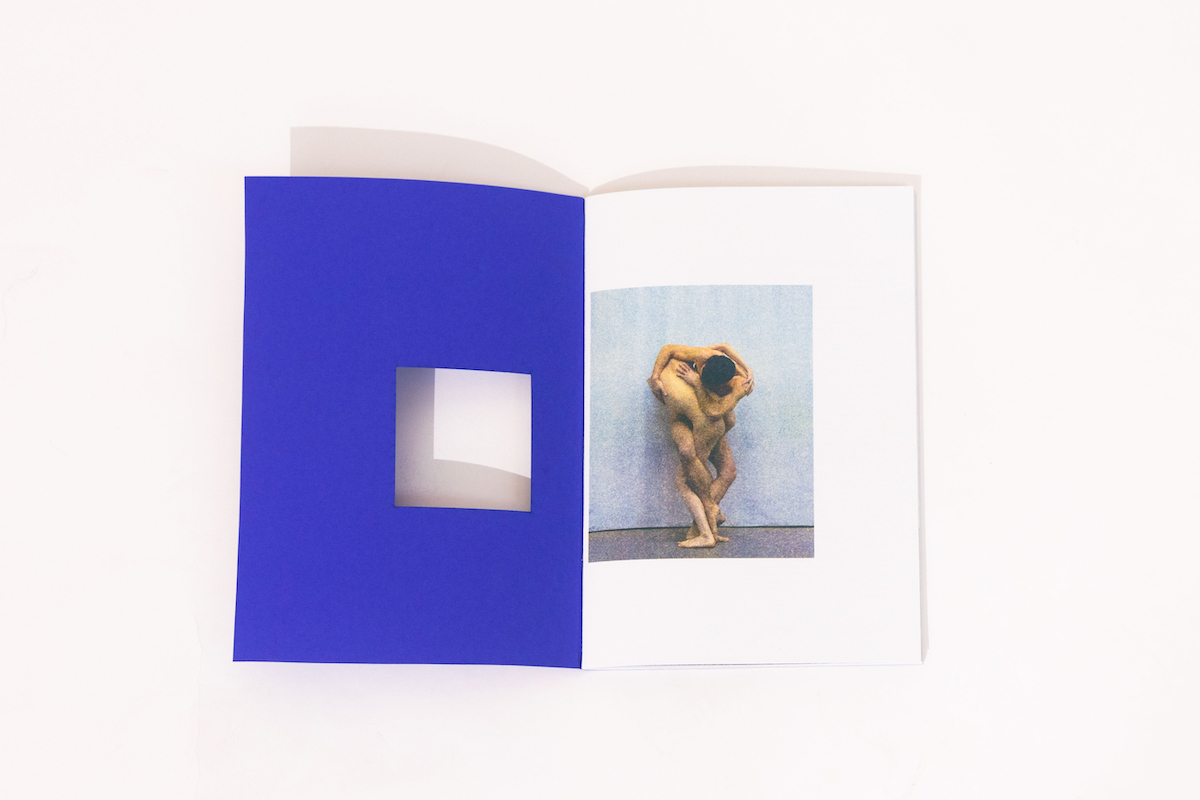
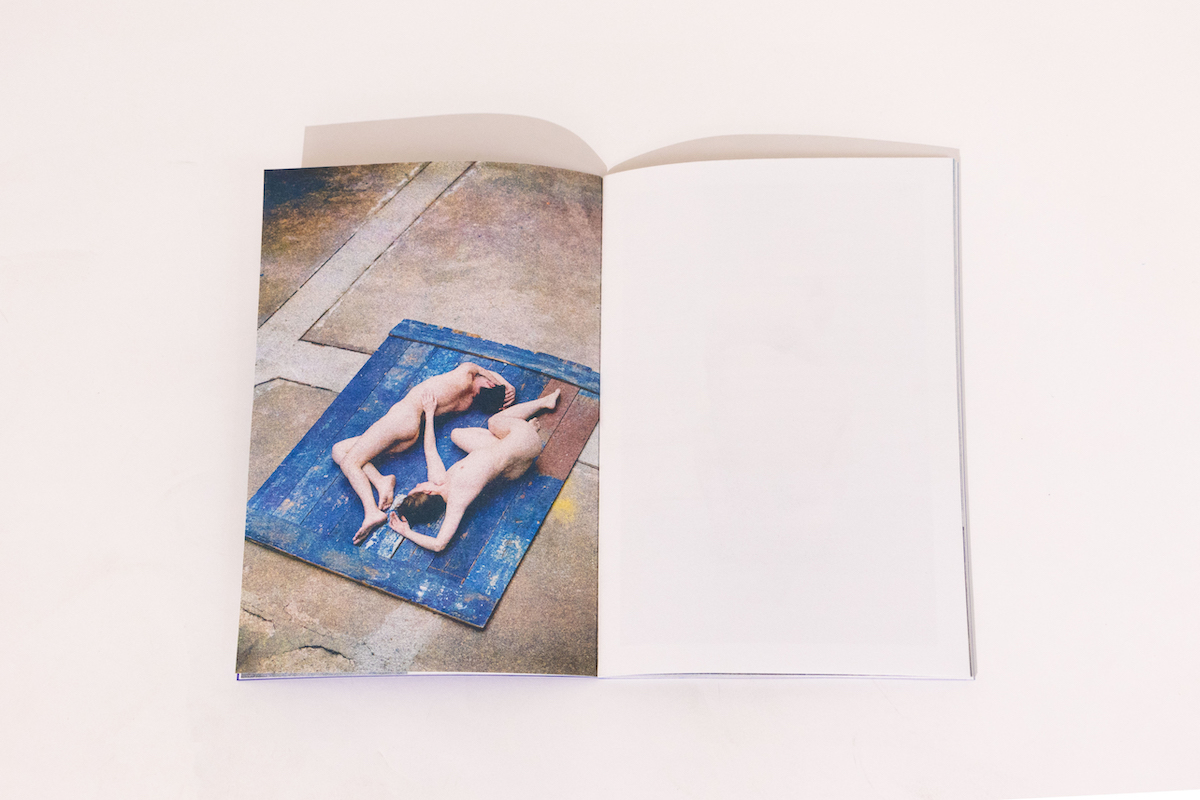
Now brought together in a book published by Noélie Bernard featuring texts by writer & poet Kiyémis, the project takes on a new dimension. We spoke with Sarah about her photographic universe, the relationships behind the images and the process of turning six years of encounters into a book.
Read our interview with Sarah below to learn more about her project.
1. How would you describe your photographic universe in three words?
Intimate, tactile, visceral.
2. What first drew you to photography, and what keeps you passionate about it today?
I was drawn to the possibility of capturing something fleeting: a gesture, a look, a tension between two bodies. Photography became a way of paying attention to what is often invisible, and eventually a language through which I could explore my relationship with others and with myself.
I was eight when my mother gave me my first camera, a little Nikon Coolpix. I struggled with writing and drawing as a child, partly because of fine motor difficulties, but she noticed how much time I spent observing the world around me. Photography gave me another way to tell stories and express what I was feeling.
At twelve, I convinced my parents to buy me my first proper camera. My friends became my first subjects. I don’t think there was one defining moment when I decided photography would become my life. It was a gradual realisation that images offered me a way of understanding the world.
What keeps me passionate today is never quite knowing what I’ll find. Every encounter is different, and I love the idea that an image can reveal something even to the person being photographed.
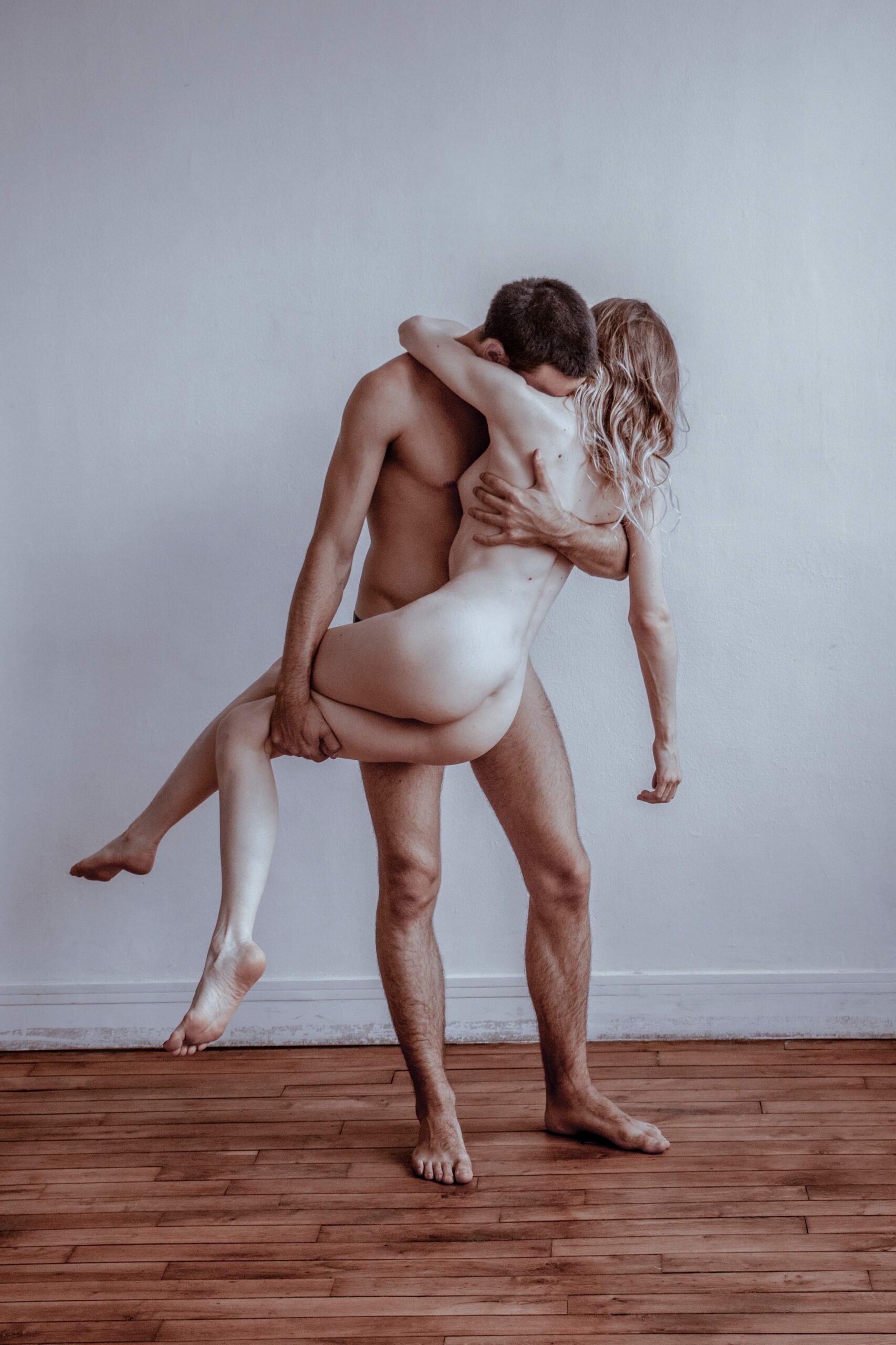
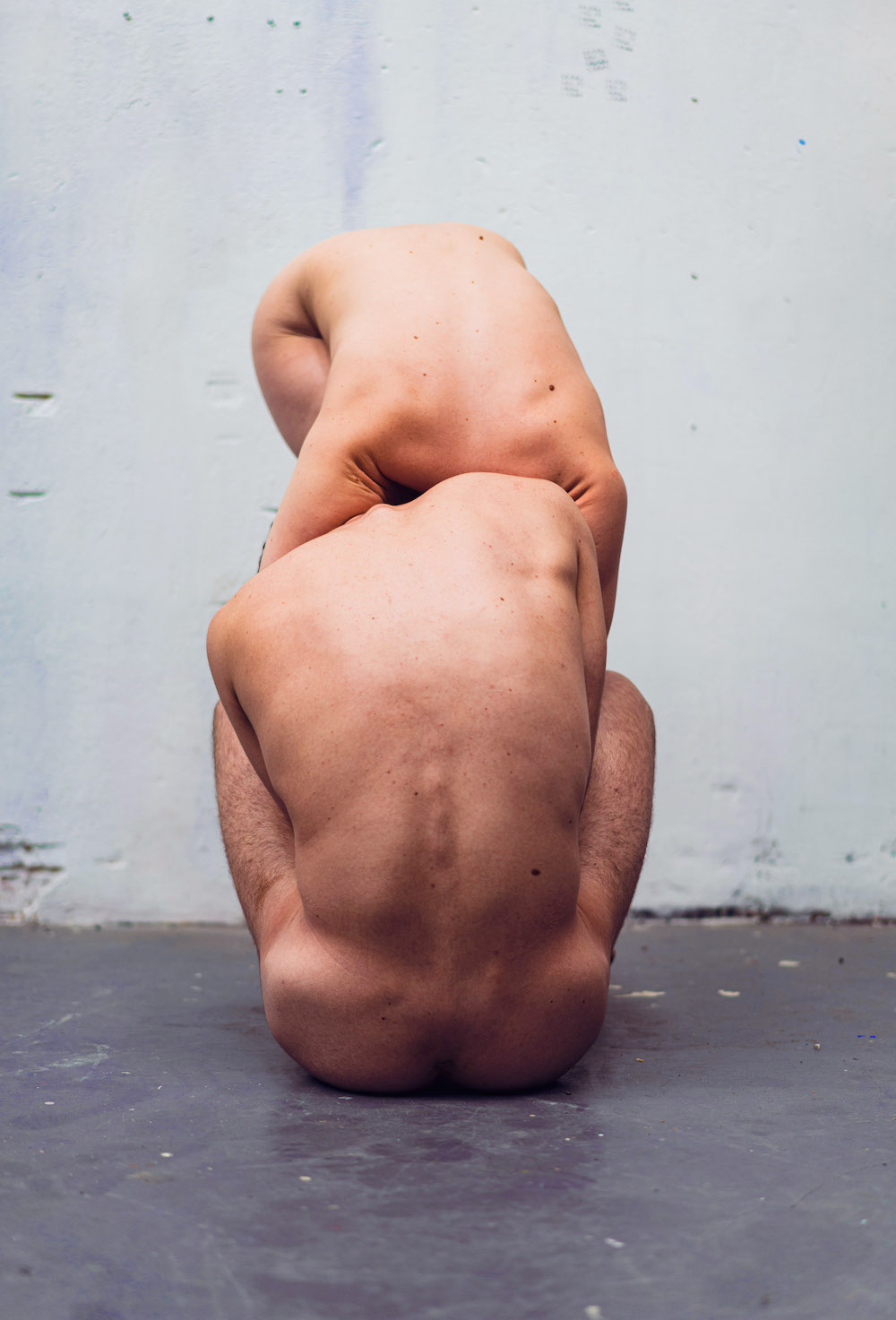
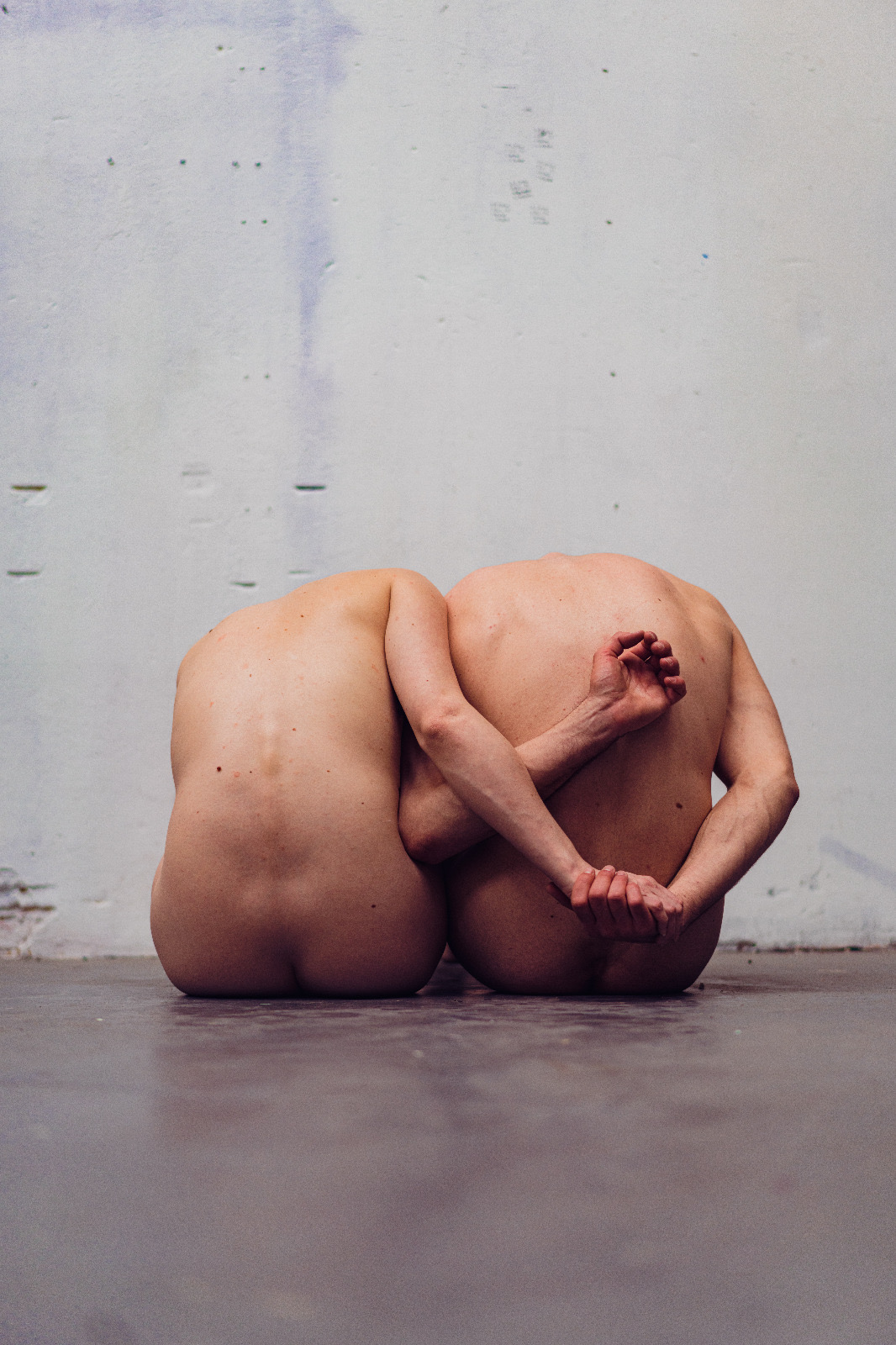
I’ve always been fascinated by the body as a language in itself. It can express so many contradictory things at once: tenderness, resistance, desire, discomfort, protection.
3. How did Corps Raccords come about? What was the initial spark behind the project?
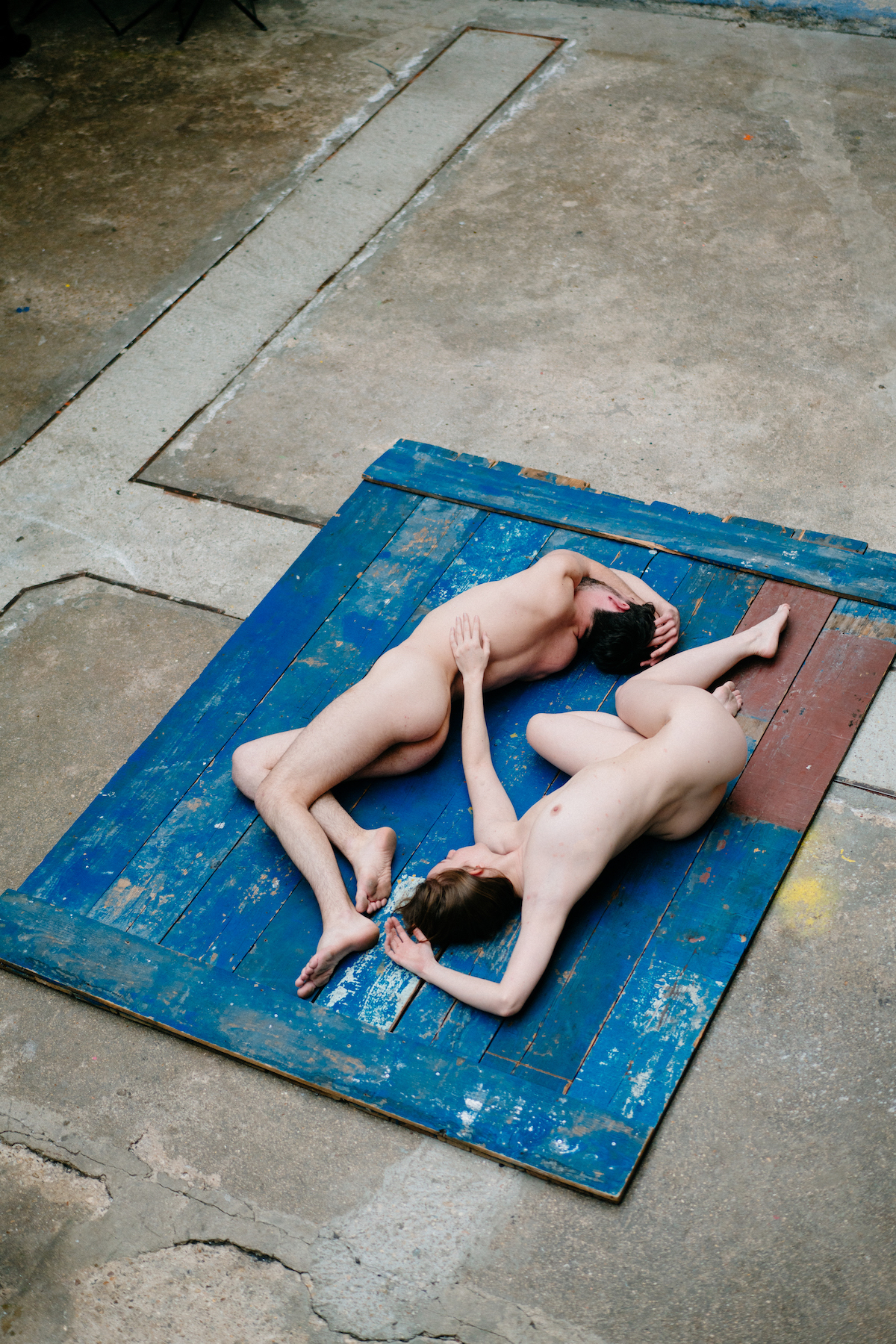
Corps Raccords grew out of my relationship with two people, Tabatha and Romain, whom I’ve been photographing over six years. It wasn’t a project I had fully imagined from the beginning. It developed naturally, through time, encounters and the intimacy we built together.
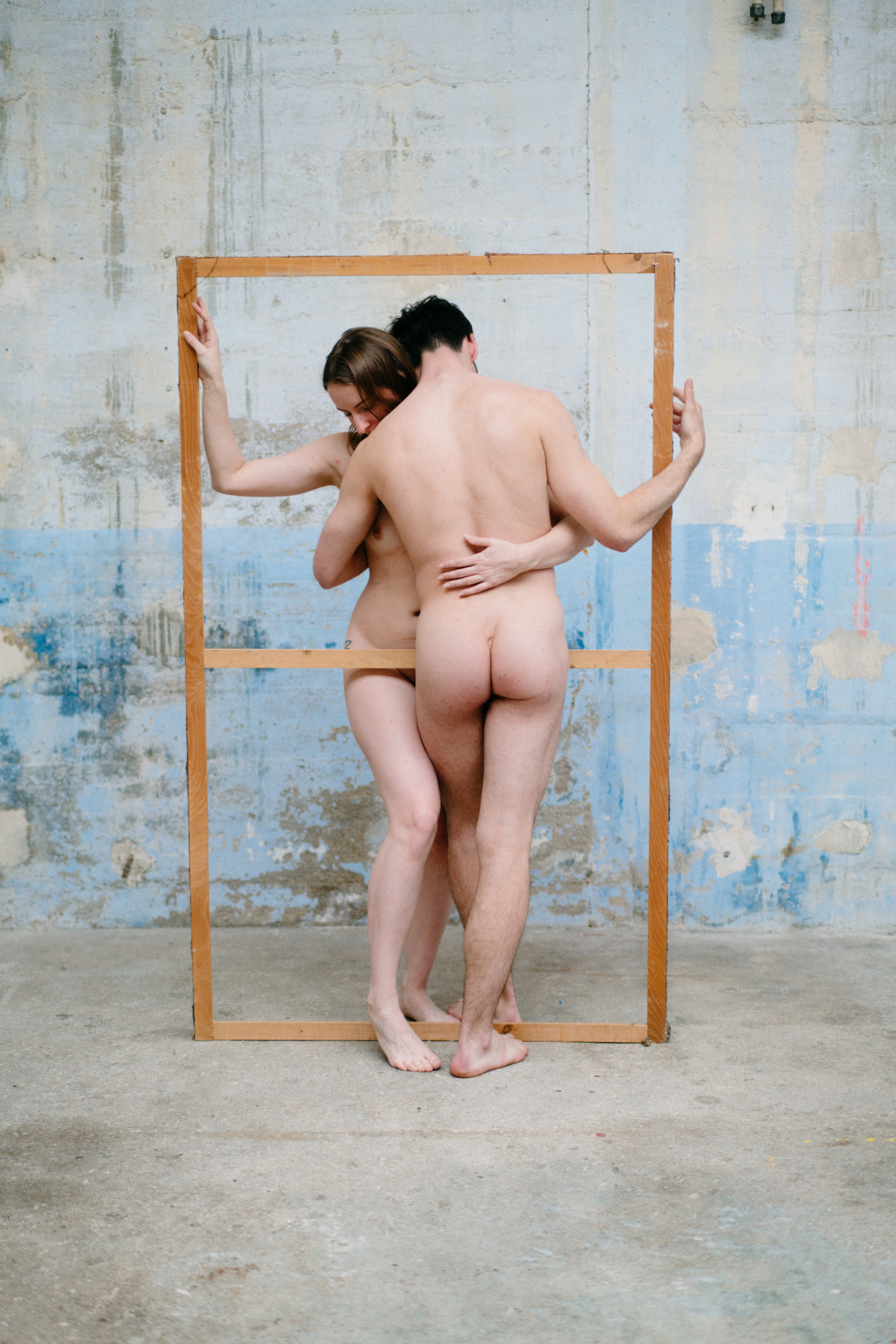
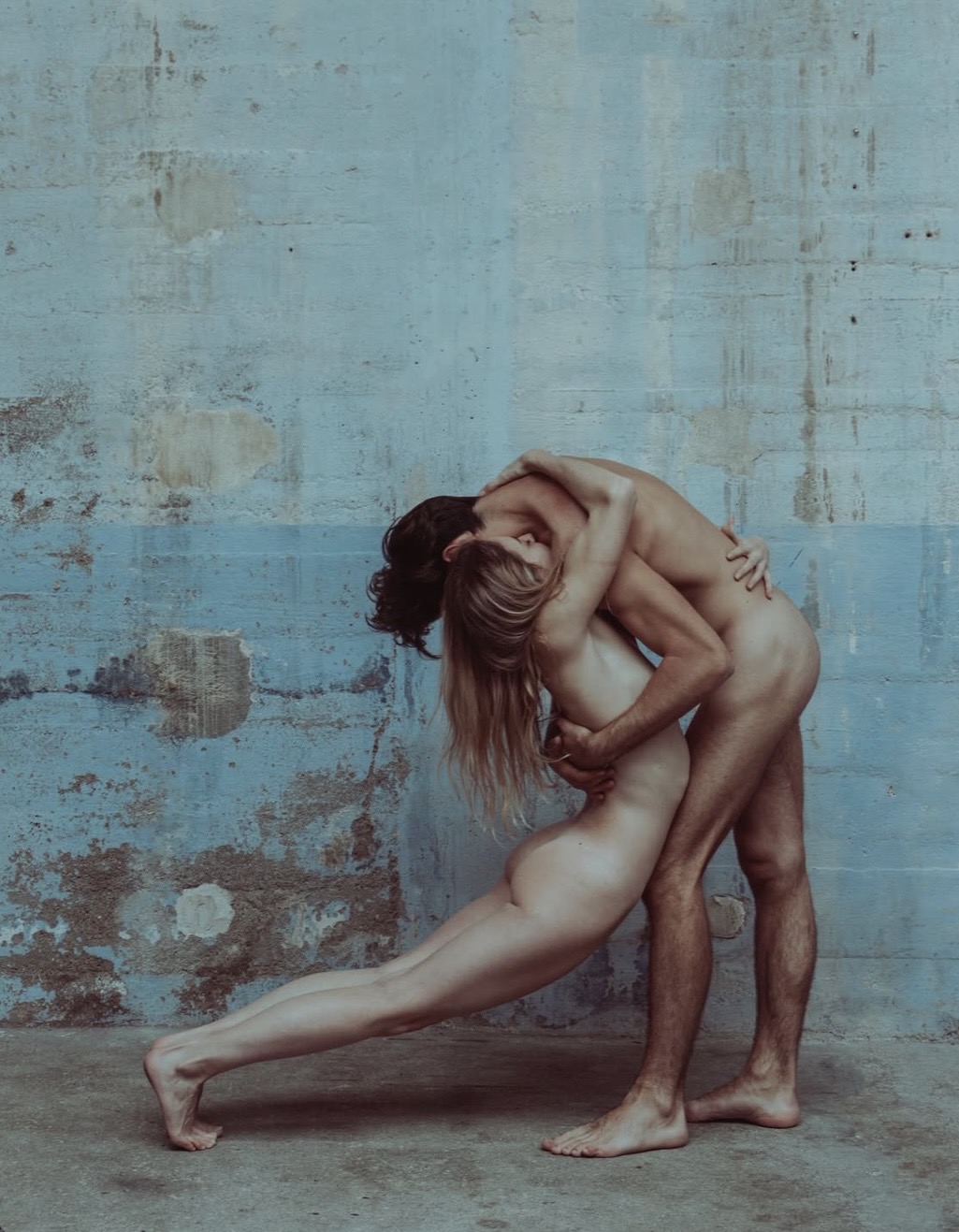
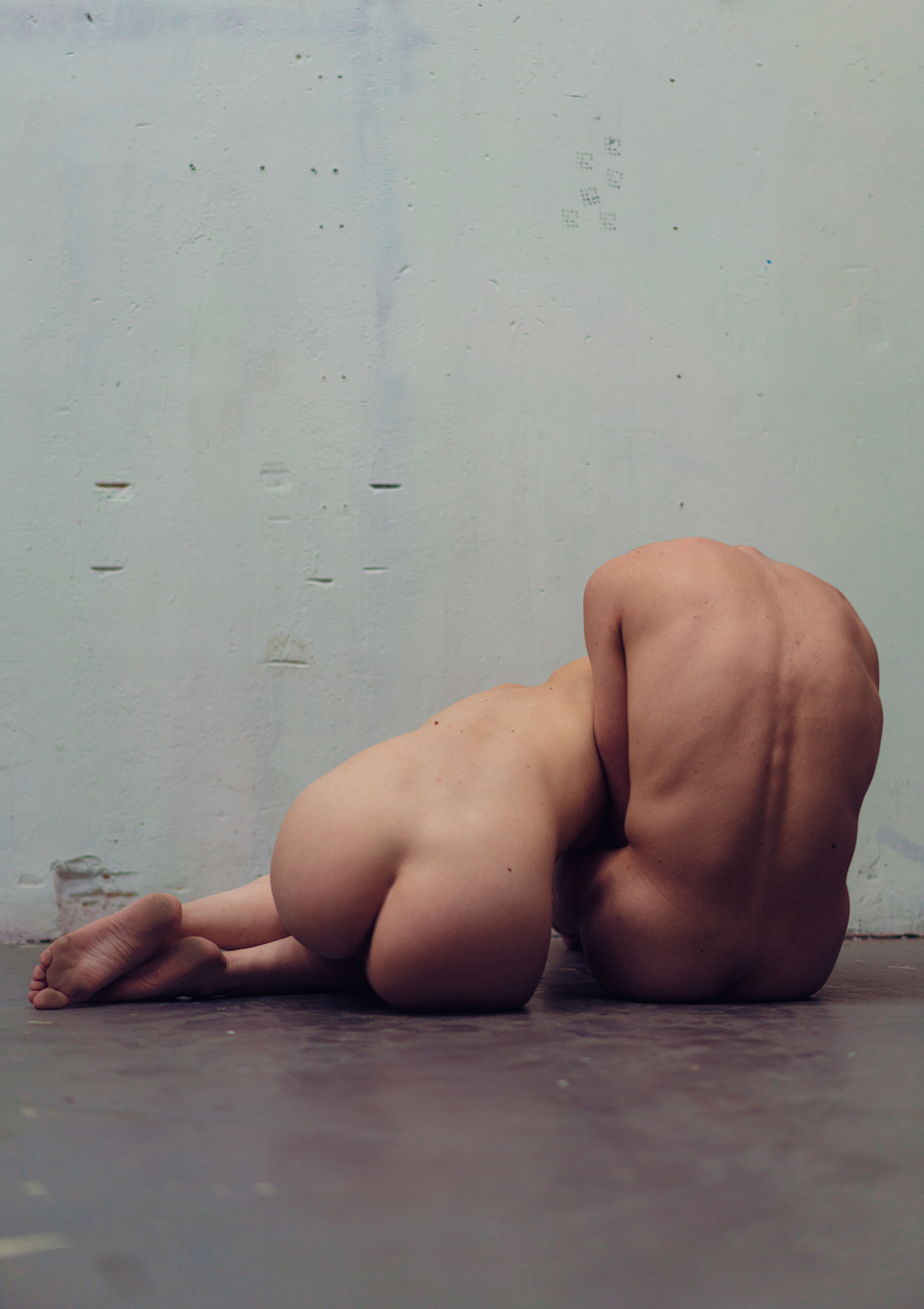
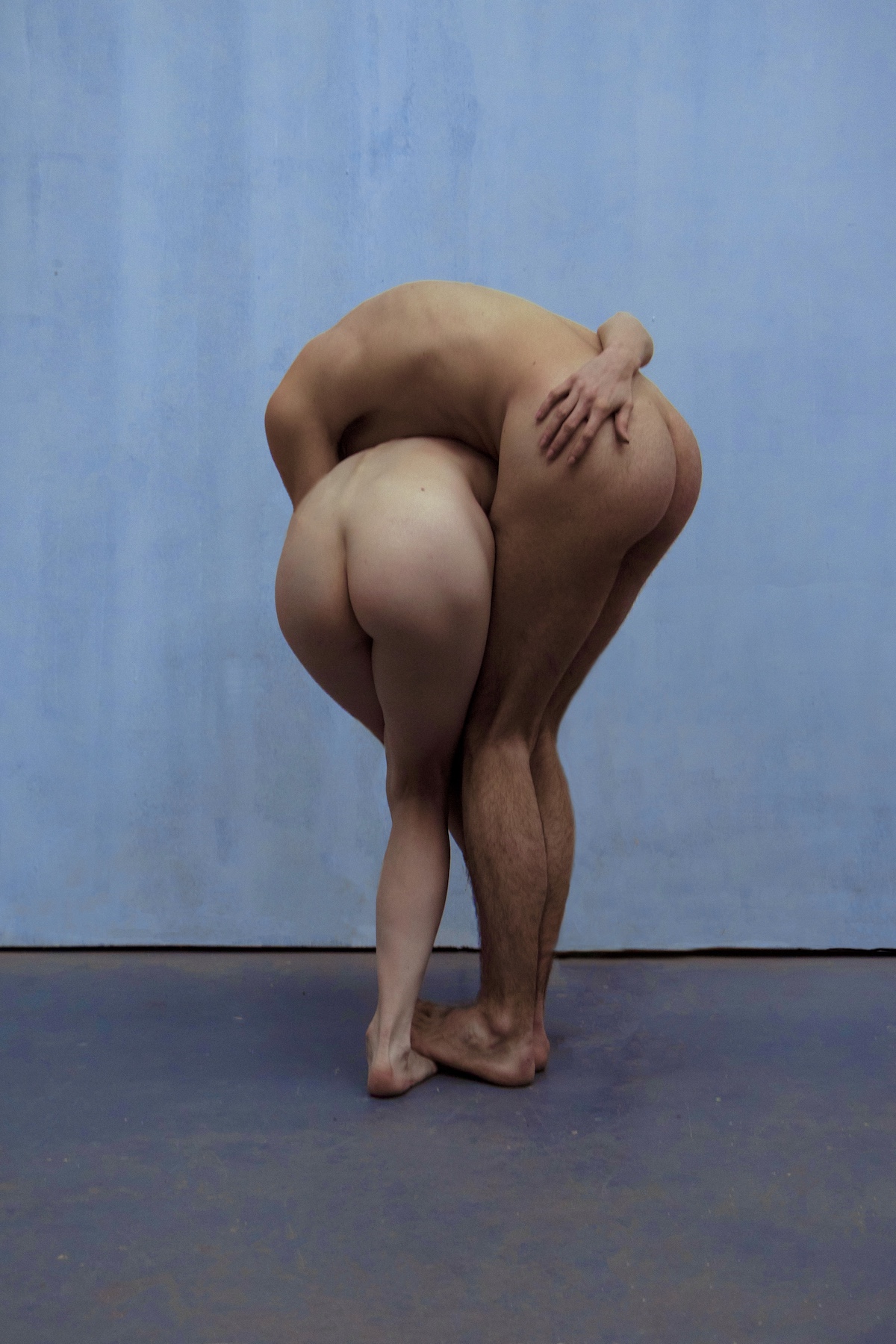
I became increasingly interested in the way their bodies interacted, how they occupied space together, and how their relationship could be expressed through physical gestures. I wanted to explore that space between two people, where tenderness, tension, desire and vulnerability coexist.
4. What first drew you to exploring the connection between two bodies?
I’ve always been fascinated by the body as a language in itself. It can express so many contradictory things at once: tenderness, resistance, desire, discomfort and protection.
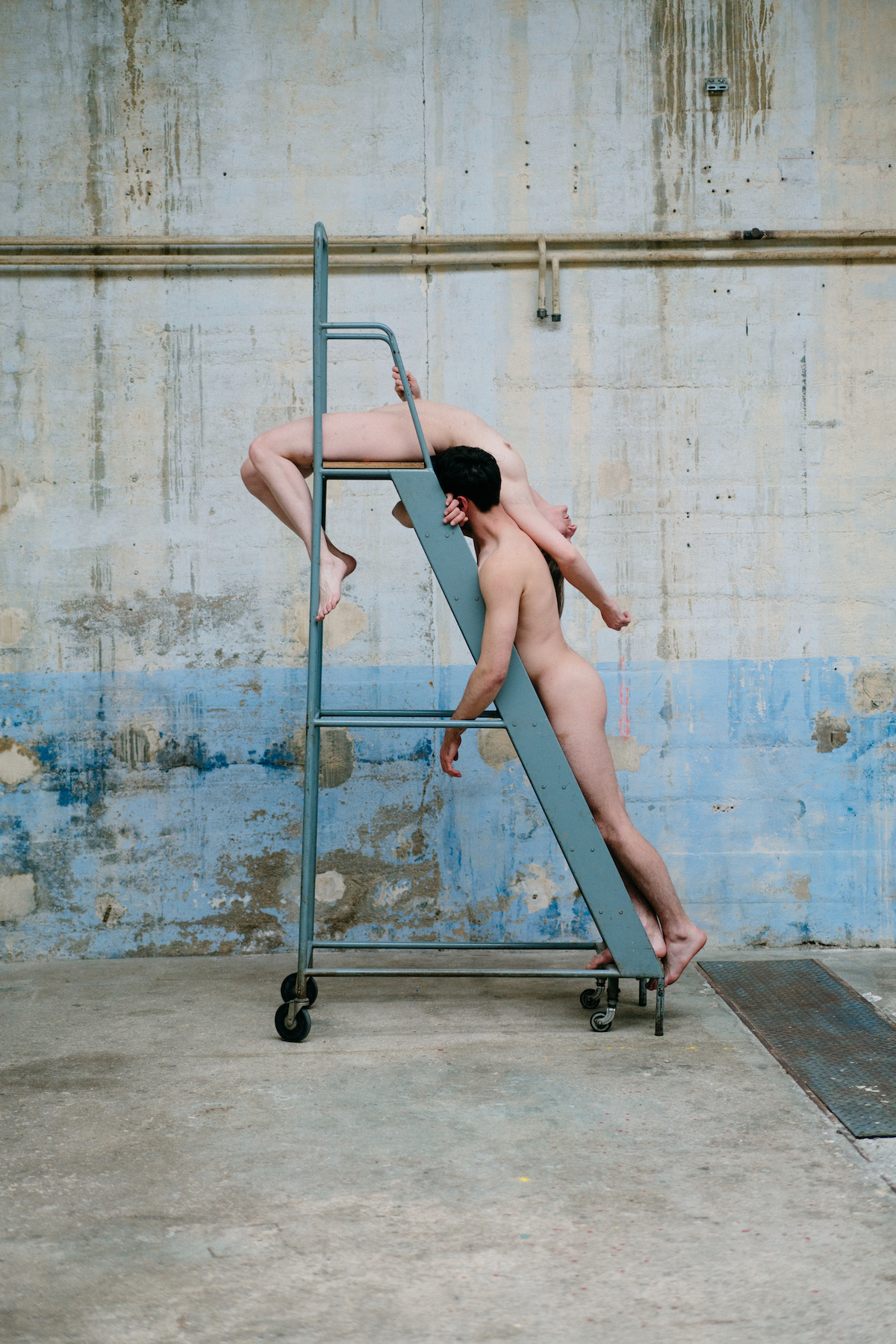
The space between two bodies particularly interests me. There’s something powerful about the way people touch, hold each other, move away or come together. It’s an intimate territory where so much happens without necessarily being conscious or spoken.
5. What can a gesture say that words cannot?
A gesture can reveal something a person might not even be able to articulate themselves. A hand resting somewhere, the way someone holds another person, a hesitation or a simple movement can carry enormous emotional weight.
Gestures are sometimes more honest than words. They can contain contradictions and ambiguities that I find beautiful. I like that they leave room for interpretation, both for the person making them and for the person looking at the image.
I hope the book reminds people of how beautiful and complicated human connections can be, and of how much love, vulnerability and emotion can exist in the smallest gestures.
6. How has your relationship with Tabatha and Romain evolved over these six years?
Over these six years, a real intimacy and trust have developed between us. Time has allowed me to photograph them in a much more instinctive way, without needing to explain or direct everything.
My relationship with Tabatha has become particularly special. She’s become one of my closest friends, and I’ve had the opportunity to photograph her for several other projects over the years. Our relationship has naturally grown beyond this series, and I think that closeness has influenced the way I photograph her.
We’ve become familiar with each other’s rhythms and gestures. This mutual trust is essential to the images. It allows something much more spontaneous and vulnerable to emerge.
7. What was the most challenging part of turning six years of photographs into a book?
The most challenging part was probably finding the right rhythm between the images and creating a narrative that could bring together six years of photographs, with all their different moments, emotions and layers of intimacy. Noélie Bernard, my editor, played a central role in this entire process. She took the lead in shaping the sequence, selecting and connecting the images, and finding the right balance between them, while preserving the richness and complexity of the project without making it too linear.
Working with her also changed my relationship with my own photographs. At times, I found myself disagreeing with some of her choices or seeing certain images very differently, but that was precisely what made the process so interesting. It pushed me to step outside my own perspective, reconsider images I thought I knew by heart and discover new ways of looking at them.
She also suggested using risography for the book, which was something I hadn’t necessarily imagined at first. It turned out to be a wonderful choice, bringing another dimension to the photographs and enriching them through the texture, colours and materiality of the printing process. Looking back, I feel that Noélie’s editorial vision and sensitivity were fundamental in giving the project its final form. The book really grew out of this dialogue, and I think it carries a great deal of her sensibility as well as mine.
8. The book brings together your photographs and texts by Kiyémis. What did this dialogue between images and words bring to the project?
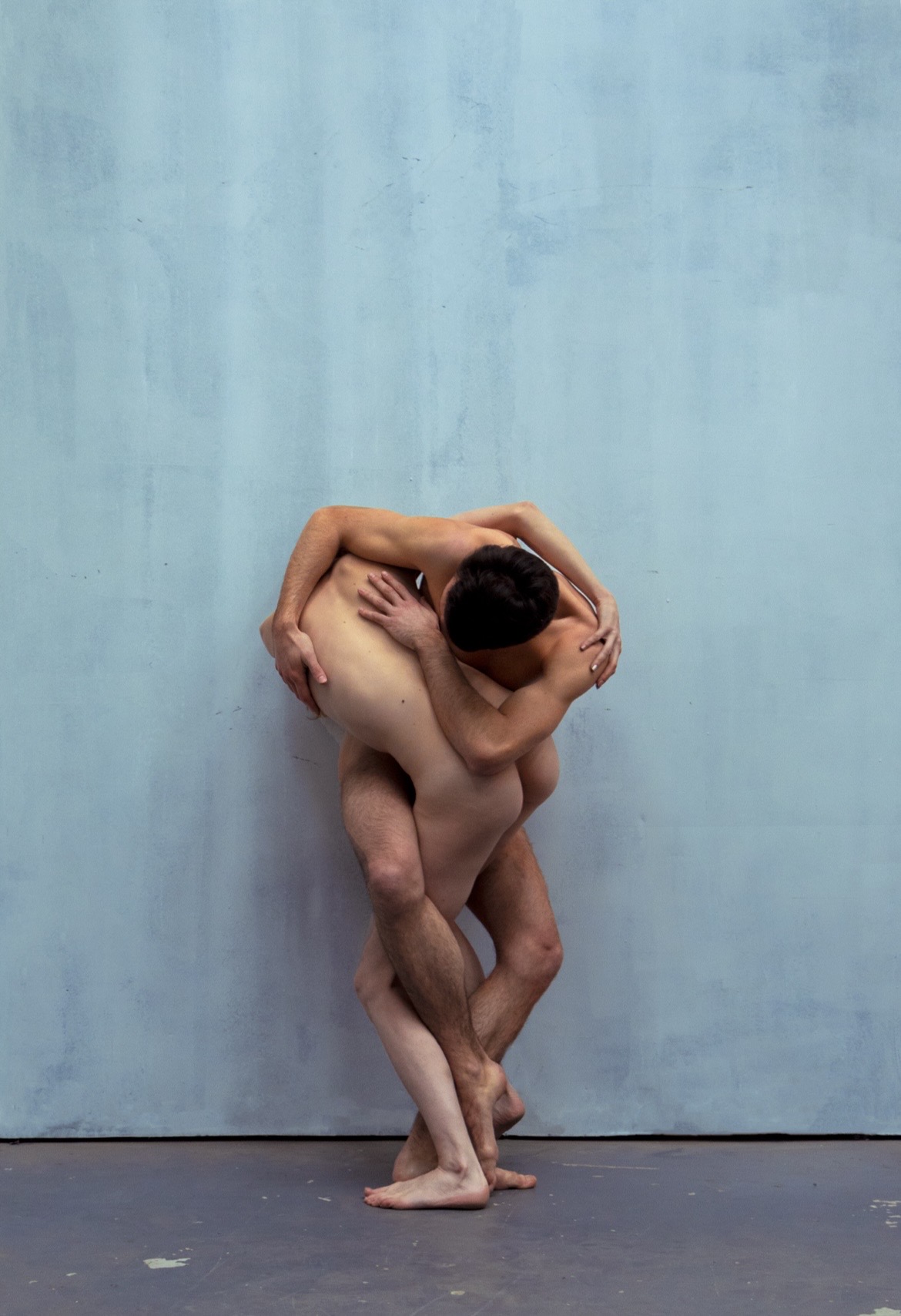
It was actually Noélie Bernard, my editor, who first had the idea of bringing Kiyémis into the project. She suggested this collaboration and gave Kiyémis complete creative freedom to respond to the photographs in her own way. Noélie also wrote a text for the book herself, so we ended up with two different yet complementary voices accompanying the images.
I think Kiyémis’s texts brought another dimension to the project. I didn’t want the words to simply describe or explain the photographs. I was much more interested in creating a dialogue between different sensibilities, allowing the texts and images to exist alongside one another, sometimes echoing each other and sometimes opening up entirely new perspectives.
Having Kiyémis’s words alongside the photographs allowed the project to become something more than a photographic sequence. I find it beautiful that the book brings together these three different perspectives, each with its own sensitivity and way of approaching the images. It was really through Noélie’s initiative and editorial vision that this dialogue became possible.
9. Did making the book change the way you see Corps Raccords today?
Absolutely. For six years, I experienced the project through individual moments, photographs and encounters. Making the book allowed me to see it as a whole for the first time.
It made me realise how much the project was also about time, the evolution of relationships and everything that happens between two people beyond what can actually be photographed.
I think I see it with a little more distance now, but also with more tenderness. The book gave a form to something that had been growing very organically for years.
10. If Corps Raccords could leave readers with just one feeling, what would you want it to be?
I would want them to feel a kind of tenderness. Perhaps also a sense of recognition, of finding something familiar in these bodies and in the way they relate to one another.
Ultimately, I hope the book reminds people of how beautiful and complicated human connections can be, and of how much love, vulnerability and emotion can exist in the smallest gestures.
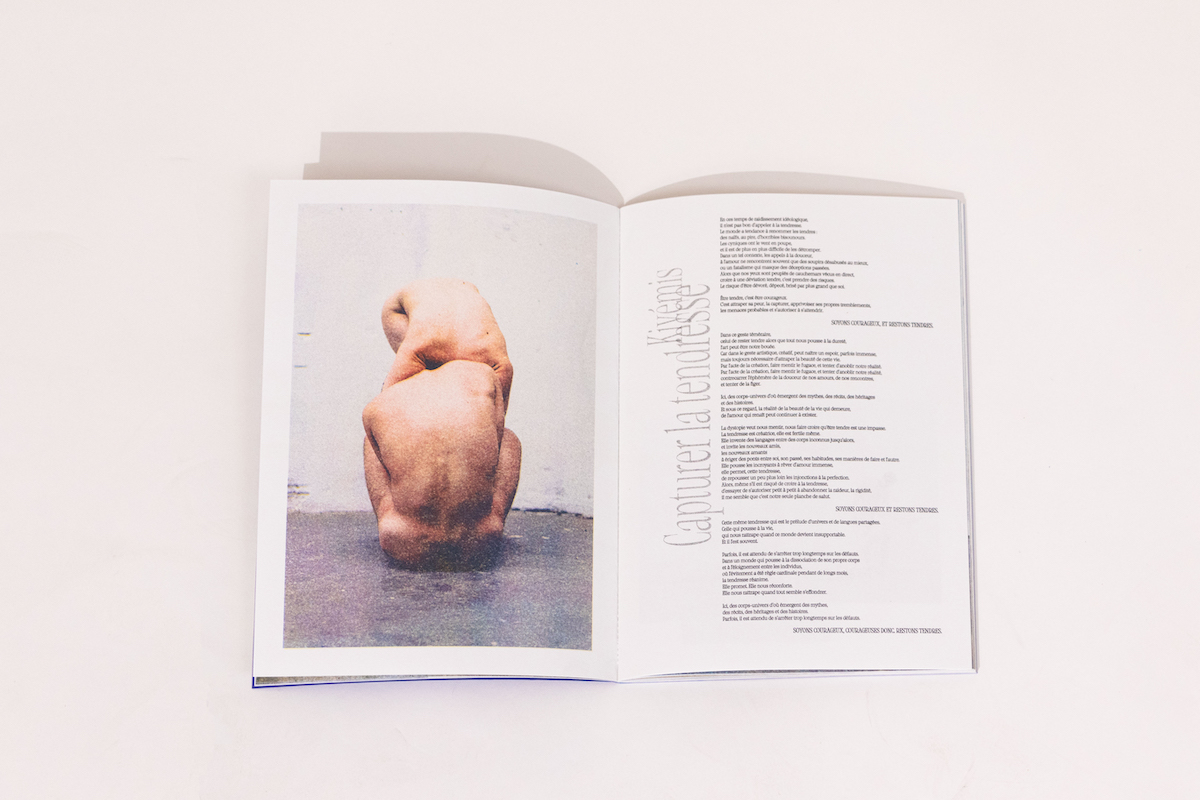
Photography by Sarah Salazar (@sarahsalazar.pics) – Edited by Noélie Bernard (@noelie.brnd) – texts by Kiyémis (@Kiyemis)
