

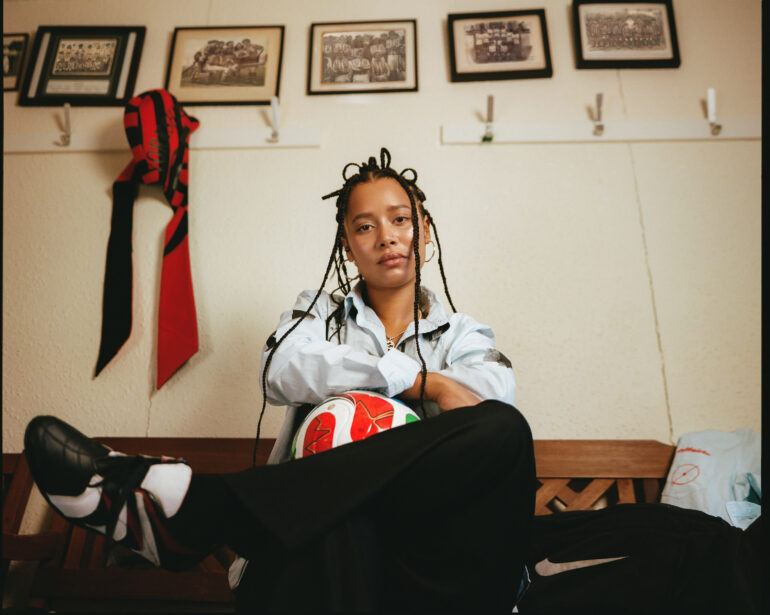

The shirt on your back has always been genderless, but who gets to belong to football culture is a whole other story.
Rosie: I used to think I hated football. Then I realised it was just the men’s.
In a beer garden in Shoreditch the TV turns on – the Lionesses are playing the final of the Euros 2025. I sigh internally, having not watched any coverage – I’m a football hater so why would I? Yet I’m entranced, I feel a wash of pride fill my body, as I find myself cheering and shouting as the Lionesses bring it home. As we left I remember remarking: I’ve never felt like that in a game of football before. The desire and hunger for your team to win, the ecstasy and camaraderie when they do! Fast forward to 2026 and it’s the Men’s World Cup. I’m excited but more about the visual world surrounding the game. As I walk to my friend’s place to watch England vs Argentina, I’m entranced by the baddies who are out sporting hopelessly chic England-inspired looks. An embroidered England lace skirt, a full Union Jack mini dress, in a tonal palette of taupe, white and cream. The ‘cunty’ coolness that wears patriotism in a way that doesn’t scream ‘Reform UK’. The visual language that is created around the game, rather than the game itself.
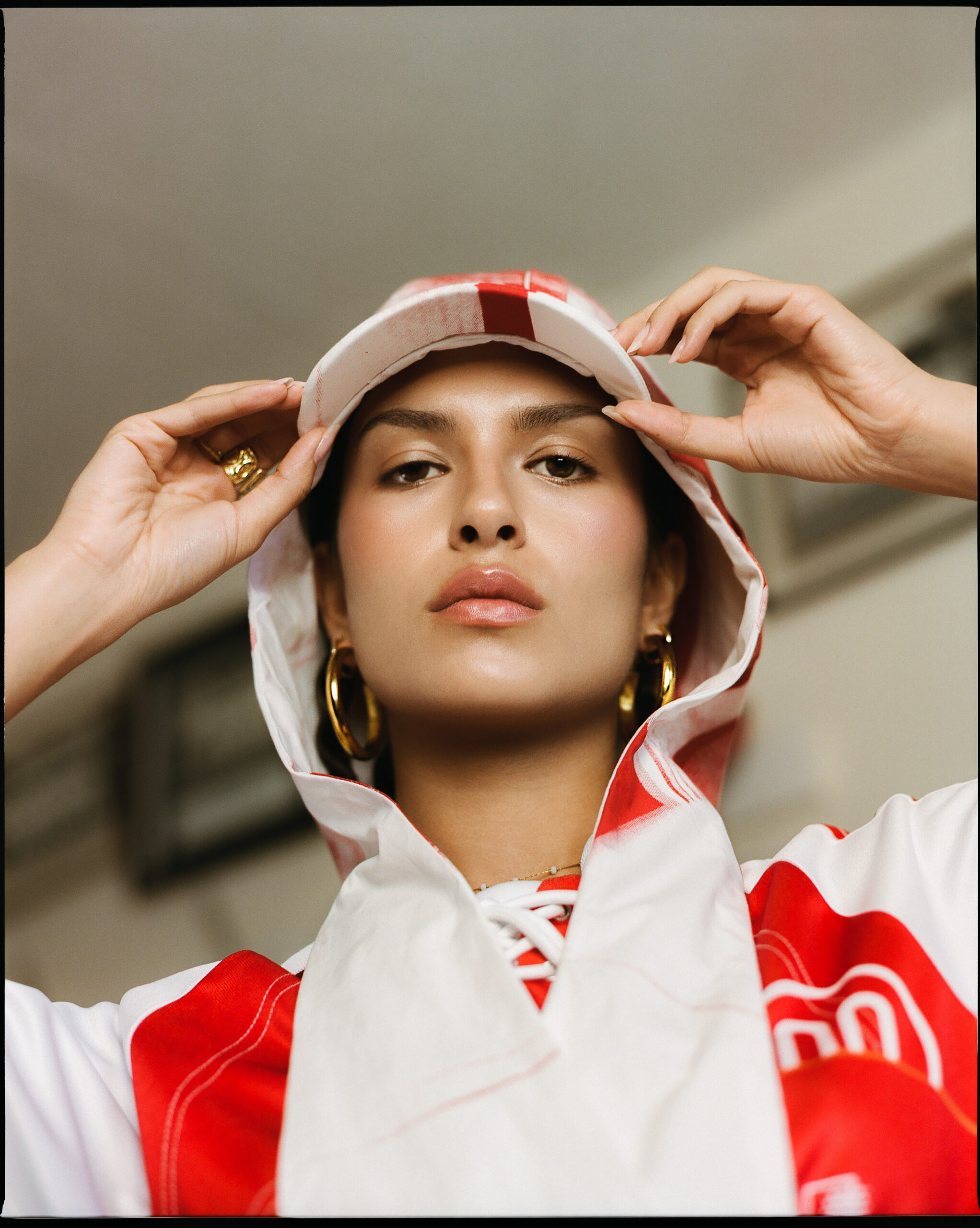
Ellie: For me, I’ve always loved team sports. Growing up playing netball throughout my teenage years into my early twenties, I found the competitiveness to reach a collective goal was addictive. The satisfaction that our achievements were ours to share was even sweeter for me than any league title. What I didn’t truly understand yet was the significance of the support system in the women around me and the importance of girlhood until much later. While sport always has great highs and lows what unifies us is a collective energy that we are in this together, player or fan. Similarly to Rosie, I first witnessed the Lionesses seal their place in history with their first Euro title in 2022. I couldn’t put my finger on why, but I felt a visceral pride in what the Lionesses had earned. Maybe that’s what girlhood really is, right? A shared experience often used to describe a collective, sometimes chaotic but a deeply bonded reality of existing as a woman. The gravity of their win didn’t fully sink in considering what I didn’t yet know from stories of players lost in history that wanted to achieve a milestone such as this.
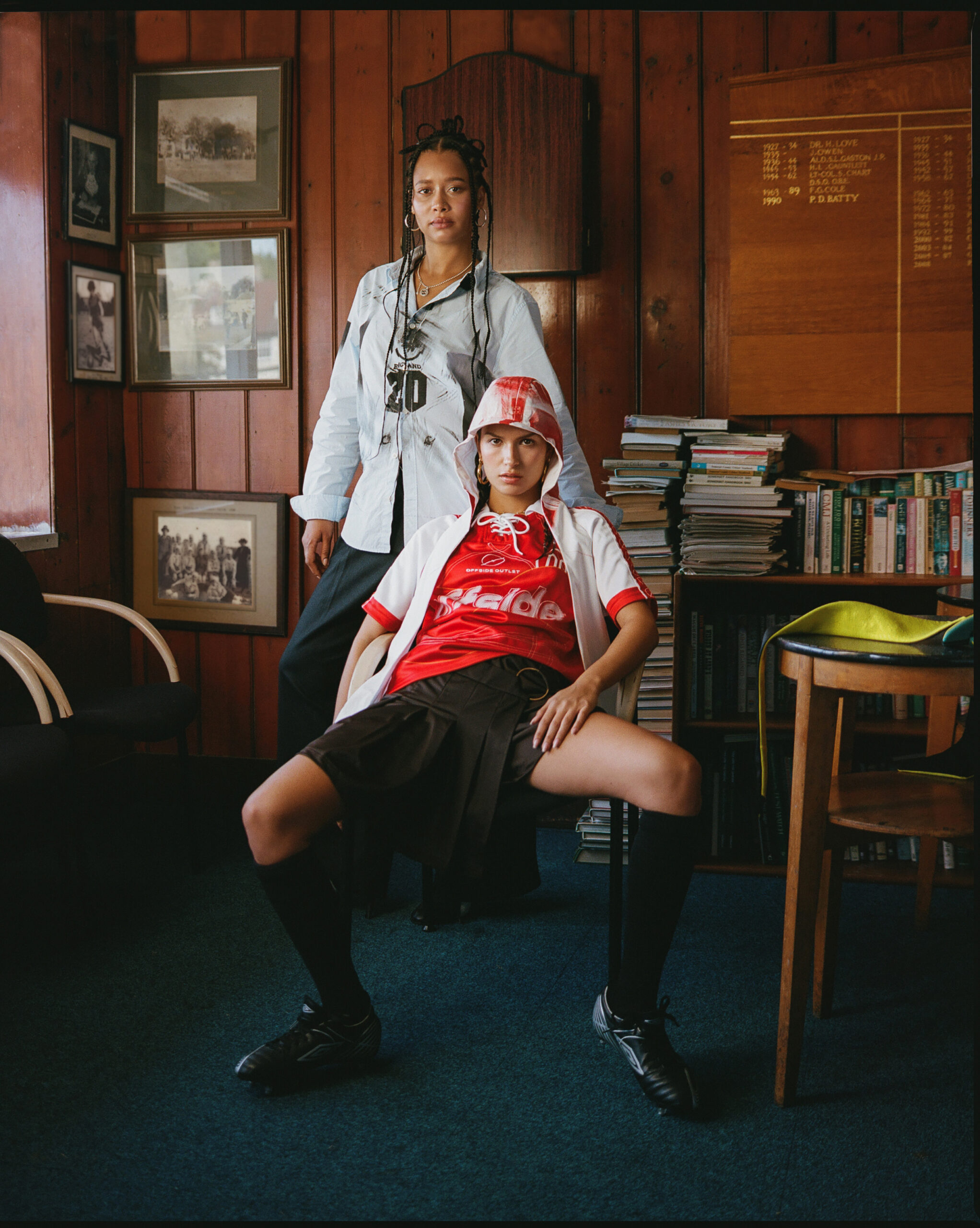
We know now women’s football has never lacked ambition, talent or an audience.
Rosie: Encouraged to form football teams during the First World War whilst many men were deployed, factory owners made space for women to play on lunch breaks. What they didn’t expect is that the women were pretty bloody good, at times their games drawing more of an audience than men’s ever had. Unsurprisingly the fist of the patriarchy squashed any sliver of this success. Feeling threatened and at a loss with what to do with this rise in popularity the Football Association (FA) banned women from playing on affiliated grounds in December 1921, claiming the sport was “unsuitable for females”. Leaving generations of players under documented and largely absent from football’s visual archive.
What followed was a 50-year ban, essentially choking the growth of women’s football. Until in 1971 the unofficial England team (a medley of teenagers, teachers, civil servants) flew to Mexico to take part in an unsanctioned Women’s World Cup, with none of the institutional backing usually afforded to the men. Their return to England was met with absolute begrudgery by the FA, receiving suspensions and their manager banned. The players’ historic achievement of playing at a World Cup was silenced and hidden from public recognition for nearly five decades.
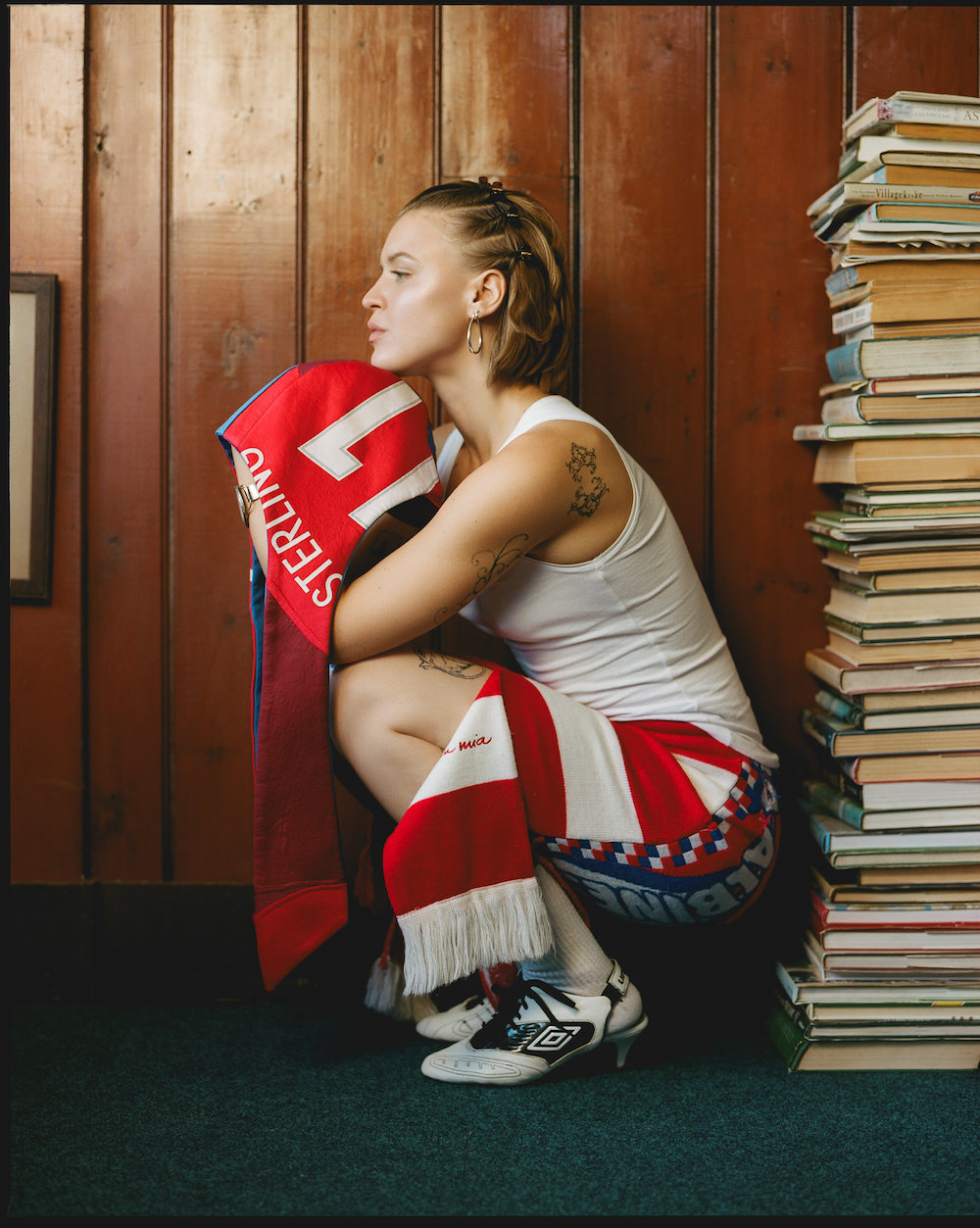
Ellie: The Lost Lionesses planted a seed now forever embedded in both of our minds. We know now women’s football has never lacked ambition, talent or an audience. It’s undeniable the momentum previous trailblazers set in motion was interrupted. Ultimately a football shirt itself might be genderless, but shockingly who gets to belong to its culture is still up for debate today. Women are still wearing men’s boots, yet Chloe Kelly has the ability to produce a 110km/h penalty kick in the Euros 2025, a penalty faster than any Premier League goal that past season. Top coach Emma Hayes is on the same page calling for more representation in terms of coaching, while Michelle Kang negotiated a historic shirt sponsorship for London City Lioness’ with Nike, a deal higher than those in the Premier League.
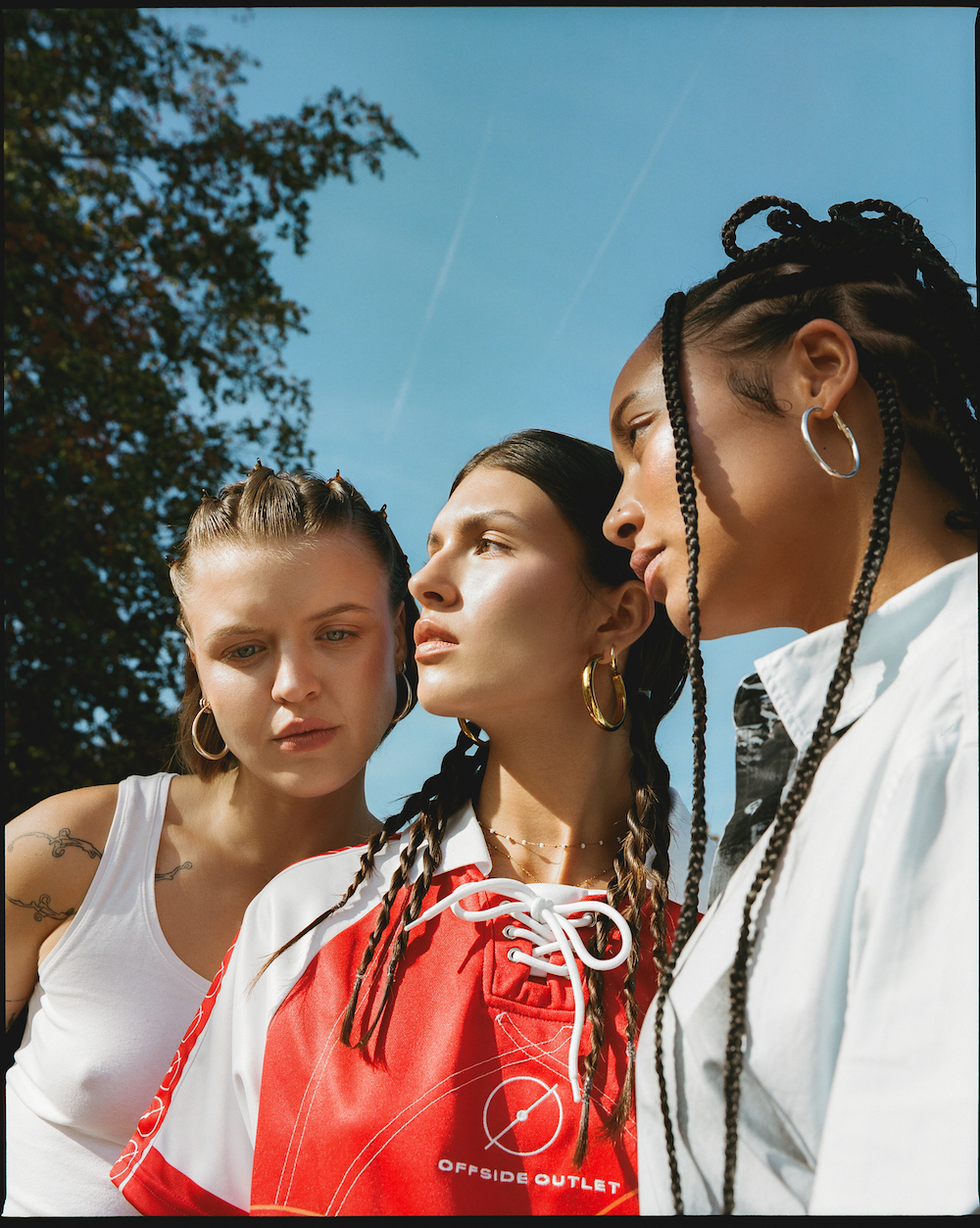
As excitement builds around the 2027 Women’s World Cup, Rosie & I questioned ‘What if that momentum had never been interrupted?’ That became the starting point for SET PIECE: a fashion editorial imagining women’s football with the cultural presence it had been denied the time to build.
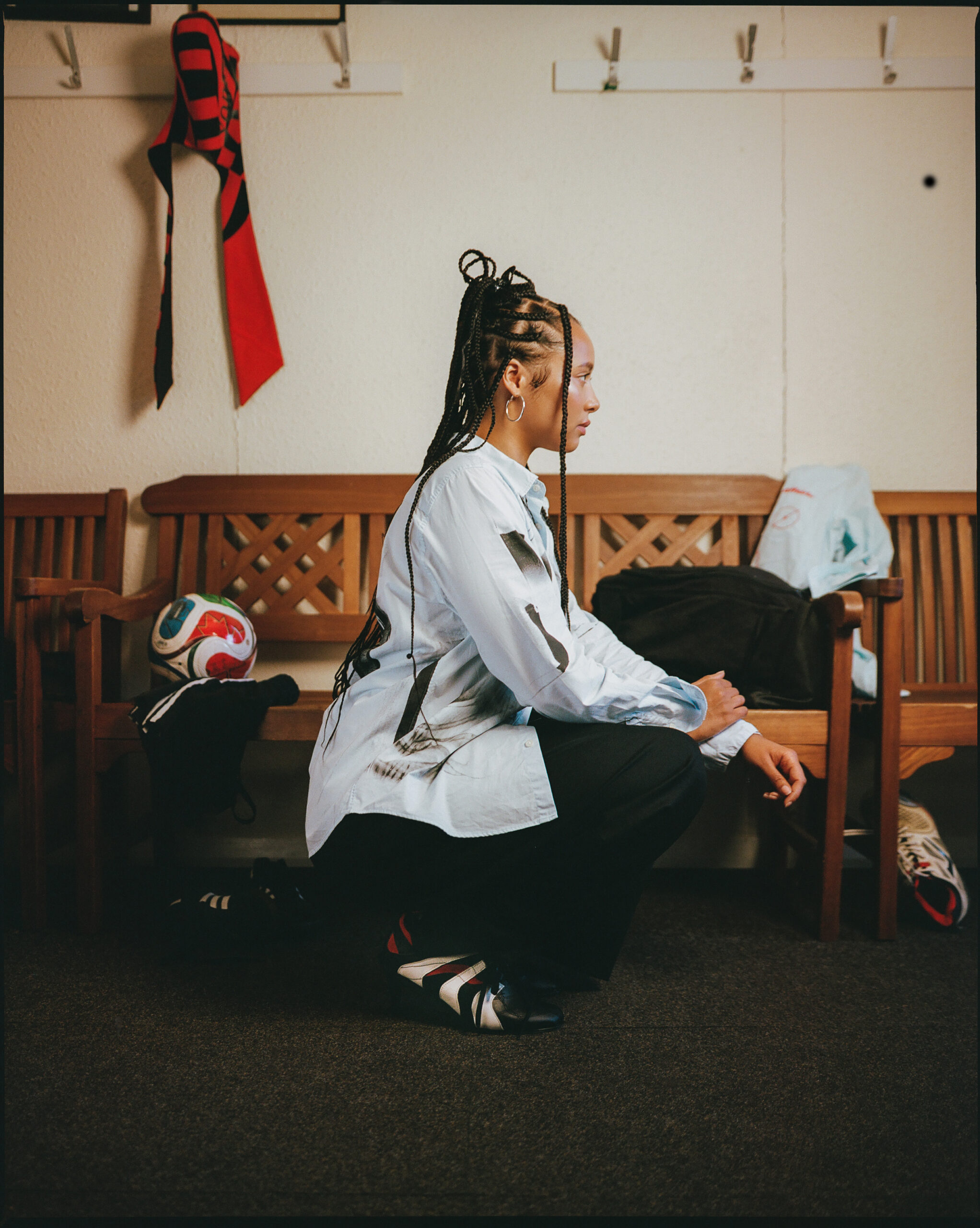
Rosie: I found the female gaze means making room for perspectives beyond my own. For SET PIECE, Hattie Crowther, Ayesha Brown and Danica Patel kindly loaned pieces for the shoot, each bringing a distinct point of view to the wardrobe. Bringing their work together allowed me to build a visual world shaped by several women’s perspectives, with my role becoming as much about finding connections between them as expressing my own. Shooting at the historic Mitcham Ground added a weight of the past that felt essential to the story. Thereby placing women within a space shaped by generations of sporting tradition, we could acknowledge the history the Lost Lionesses were denied while allowing our models to reclaim space on their own terms. Importantly, my art direction was centred around championing girlhood, togetherness and autonomy.
We both came to football through its edges; making SET PIECE became a way of finding our own place within it.
Team Credits
- Concept and Creative Strategy by Rosie George & Ellie Sturley
- Art Direction, Campaign Design and Image Research by Rosie George
- Production by Rosie George & Ellie Sturley
- Photography by Gary Van Handley
- Fashion direction by Rosie George & Ellie Sturley
- Selected pieces kindly loaned by Hattie Crowther, Danica Patel & Offside Outlet
- Styling by Danica Patel
- Makeup by Suzuko Kogishi
- Hair by Josie Simmons
- Casting direction by Rosie George
- Casting support by The Diversity Agency Film / BTS by DotKomStudio
